

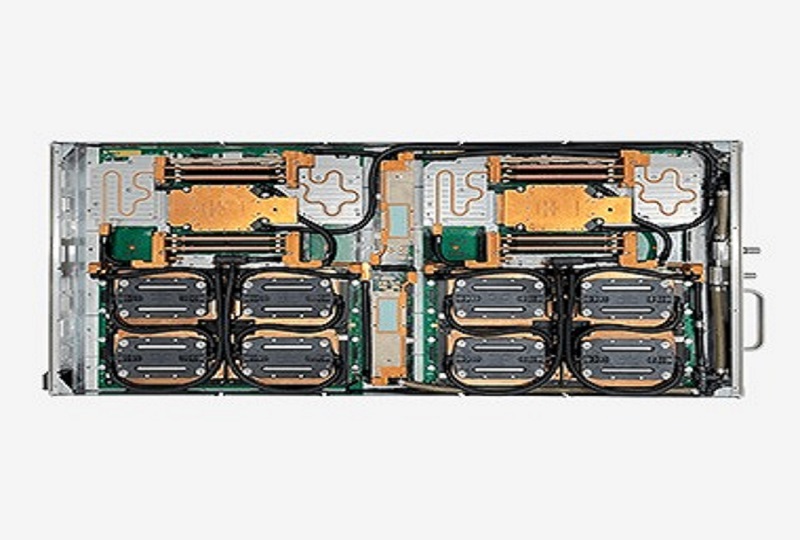
As data centers and high-performance computing environments continue to demand higher processing power, the importance of effective thermal management grows exponentially. Maintaining operational safety while ensuring optimal performance is critical for protecting equipment, prolonging service life, and minimizing downtime. Among modern cooling technologies, coldplates have emerged as alternatives to conventional air-based cooling methods. But how do they truly compare with traditional methods in terms of operational safety? This article explores the differences, benefits, risks, and best practices associated with coldplates and conventional cooling.
Table of Contents
Liquid Cold Plates: The Future of High-Performance Cooling
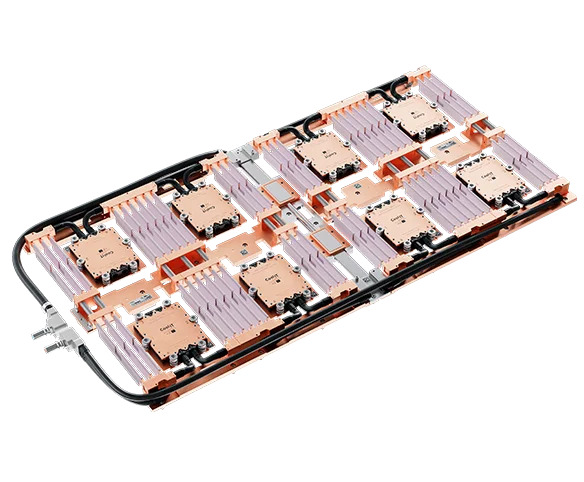
A coldplate is a heat exchanger designed to remove heat directly from high-density components such as CPUs, GPUs, or other critical electronics. Unlike traditional fans and air coolers that rely on airflow to dissipate heat, coldplates use liquid coolant to transfer thermal energy away from the source. Coldplates are often used in direct to chip cooling setups, where the coolant makes direct contact with the base of the processor or critical component. This method minimizes thermal resistance, reduces hotspots, and ensures uniform temperature distribution.
Modern coldplates are typically made from high-conductivity materials like copper or aluminum and are paired with pumps and chillers to maintain steady coolant flow. By delivering consistent thermal performance, they safeguard sensitive equipment against overheating and enhance operational safety.
Traditional Cooling Methods Overview
Traditional cooling methods, primarily air-based, rely on fans, heat sinks, and HVAC systems to move heat away from components. While effective for lower-density systems or general-purpose computing, these methods face limitations as processing density and thermal load increase. As organizations across Canada continue to adopt high-performance computing technologies, the need for more efficient cooling solutions has become increasingly important.
Air cooling depends on sufficient airflow and ambient conditions. If fans fail, filters clog, or ambient temperatures rise unexpectedly, the risk of component overheating increases. In high-density environments, air cooling may struggle to maintain uniform temperatures, leading to hotspots that can compromise operational safety and hardware reliability.
Comparing Operational Safety: Coldplates vs Traditional Methods
Enhanced Heat Transfer and Uniformity
Coldplates provide a direct heat-transfer path, meaning the coolant absorbs heat directly from the component. This reduces the likelihood of uneven temperature distribution, a common challenge in air-based systems. By maintaining more consistent thermal conditions, coldplates reduce thermal stress, thereby mitigating the risk of hardware failure.
Reduced Risk of Overheating
Direct to chip cooling with liquid cold plates ensures that heat is removed faster and more efficiently than air alone. Traditional air cooling can be limited by airflow obstructions or fan performance issues, increasing the likelihood of overheating during peak loads. Coldplates provide a more reliable and predictable thermal environment, enhancing operational safety.
Lower Noise and Mechanical Risk
Air-based cooling systems often require multiple high-speed fans, which contribute to noise and mechanical wear. Coldplates eliminate most of the need for large fans, reducing mechanical failure points and creating quieter operation. Advanced thermal solutions from CoolIT Systems leverage coldplate technology to help organizations achieve reliable, efficient, and low-maintenance cooling performance.
Energy Efficiency and Safety Trade-offs
Liquid cold plates transfer heat more efficiently, allowing for lower power consumption and reduced heat output to surrounding systems. Traditional air cooling may consume more energy to achieve comparable thermal regulation. Efficient energy use indirectly contributes to operational safety by minimizing system stress and reducing the risk of heat-related incidents.
Scalability and High-Density Protection
In high-density data centers, air cooling becomes less effective as racks are packed closer together. Coldplates scale more effectively by directly cooling each component. By maintaining operational temperatures even under extreme loads, coldplates protect critical infrastructure from thermal failures that could compromise safety.
Everything You Need to Know About Maple Guitar Backs and Sides
The Smart Investment: Durable Siding Austin, TX for Residential Homes
Potential Challenges of Coldplates
While coldplates offer superior operational safety, there are some considerations:
- Installation Complexity: Coldplates require precise installation and integration with coolant loops. Improper setup may reduce efficiency or cause leaks.
- Maintenance Requirements: Routine monitoring of coolant levels, flow rates, and system integrity is crucial. Neglect can lead to reduced performance or operational risk.
- Cost Factors: Coldplates can have higher upfront costs than air-cooling systems. However, these costs are often offset by improved efficiency and reduced downtime.
These challenges can be effectively managed with proper planning, monitoring, and adherence to best practices.
Best Practices for Coldplate Deployment
Working with experienced providers such as CoolIT Systems can help ensure that coldplate solutions are properly engineered, integrated, and optimized to meet the thermal demands of modern high-performance computing environments. To maximize safety and performance, consider the following best practices when deploying coldplates:
Design for Direct to Chip Cooling
Ensure the coldplate is designed to contact heat-generating components directly. This maximizes heat-transfer efficiency and ensures a uniform temperature distribution across the component surface.
Monitor Coolant Quality and Flow
In Canada, install sensors to monitor coolant temperature, pressure, and flow rate. Continuous monitoring helps detect potential issues early, preventing overheating, improving system reliability, and reducing the risk of mechanical stress.
Routine Maintenance and Inspection
Regular inspections of seals, tubing, and fittings prevent leaks and maintain system reliability. Replacing worn components before failure protects both the cooling system and critical electronics.
Use High-Conductivity Materials
Coldplates made from materials like copper or aluminum enhance heat transfer efficiency. Material choice affects both thermal performance and operational safety, particularly in demanding industrial equipment, where effective heat management is essential for reliable operation.
Integrate Redundancy and Alerts
Redundant pumps and automated alerts improve system resilience. In the event of a pump failure or flow interruption, the system can maintain cooling and alert operators before equipment reaches unsafe temperatures.
Conclusion
When it comes to operational safety in high-performance computing environments, coldplates clearly offer advantages over traditional air-based cooling methods. By providing precise heat transfer, reducing hotspots, lowering mechanical risk, and improving energy efficiency, coldplates protect critical systems and ensure consistent performance. For businesses seeking reliable thermal management solutions, partnering with a specialist ensures effective deployment, integration, and ongoing support for coldplates and liquid cooling infrastructure. Locate your nearest CoolIT Systems MAP partner and explore coldplate solutions now!
Frequently Asked Questions
What are coldplates and how do they work?
Coldplates are heat exchangers that remove heat from high-density components using liquid coolant. In direct to chip cooling setups, coolant flows directly over or under the component surface, absorbing heat efficiently and maintaining consistent operational temperatures.
How do coldplates improve operational safety compared to traditional methods?
By delivering precise, uniform cooling, coldplates reduce the risk of overheating and thermal stress. Unlike air cooling, which can create hotspots, coldplates maintain stable temperatures and minimize the chance of equipment failure.
Can coldplates be integrated into existing air-cooled systems?
Yes, coldplates can complement air-based cooling systems to enhance performance. Hybrid setups allow air cooling to manage ambient temperatures while liquid cold plates handle direct component cooling, improving overall efficiency and safety.
What maintenance is required for liquid cold plates?
Maintenance includes monitoring coolant flow, checking temperature sensors, inspecting seals and fittings, and replacing worn parts. Regular maintenance ensures continuous operation and reduces the risk of leaks or system failures.
Are coldplates suitable for all types of IT infrastructure?
Coldplates are especially effective in high-density, high-performance environments such as data centers or GPU clusters. Smaller, low-heat setups may not require liquid cooling, but coldplates provide significant benefits for systems with high thermal loads or critical operational requirements.