


Choosing the right tonewood is one of the most important decisions in guitar construction. It impacts the tonal qualities, responsiveness, and aesthetics of the final instrument. Among the many options available, maple guitar back and sides have gained popularity for their brightness, clarity, and visual charm. This article explores the unique properties of maple, compares it to koa guitar back and sides, and highlights what to consider when working with trusted guitar wood suppliers.
Table of Contents
The Importance of Tonewood in Guitar Building
Tonewood significantly influences how a guitar sounds and feels. The back and sides of a guitar help shape its resonance and tonal complexity. Different woods vibrate differently, adding unique characteristics to the sound. Therefore, the selection of maple guitar back and sides is often done with great care, especially for musicians looking for precise tonal definition and articulation.
Exploring the Qualities of Maple Guitar Back and Sides
Maple guitar back and sides are widely regarded for producing a bright and focused sound. They offer excellent note separation, which makes them ideal for intricate fingerpicking, jazz, and other styles that benefit from clarity. One of the main reasons guitar builders choose maple is its ability to project sound effectively without excessive overtone muddiness.
Visually, maple is known for its eye-catching figure. Flamed, quilted, and birdseye variations provide an attractive canvas for natural or tinted finishes. This makes maple not only an acoustic asset but also a visual highlight in high-end instruments.
Structurally, maple is a dense and durable hardwood. Its strength adds to the longevity of the guitar and ensures it holds up well under various climate conditions. This stability is one reason maple is frequently used by experienced luthiers and recommended by top guitar wood suppliers.
Comparing Maple to Koa Guitar Back and Sides
While maple offers brilliance and quick response, koa guitar back and sides bring a warm, evolving tonal richness. Initially, koa can sound relatively bright, similar to maple, but as the wood ages and is played more, it develops a deeper, more resonant character. This tonal evolution is one of koa’s most appreciated traits and can appeal to players who enjoy a changing sonic palette over time.
In terms of appearance, koa is equally stunning. Its natural golden-brown hues, combined with dramatic grain patterns, create breathtaking visuals that rival or even surpass the aesthetics of maple. When comparing the two woods, both koa guitar back and sides and maple bring distinct visual identities that are celebrated by musicians and collectors alike.
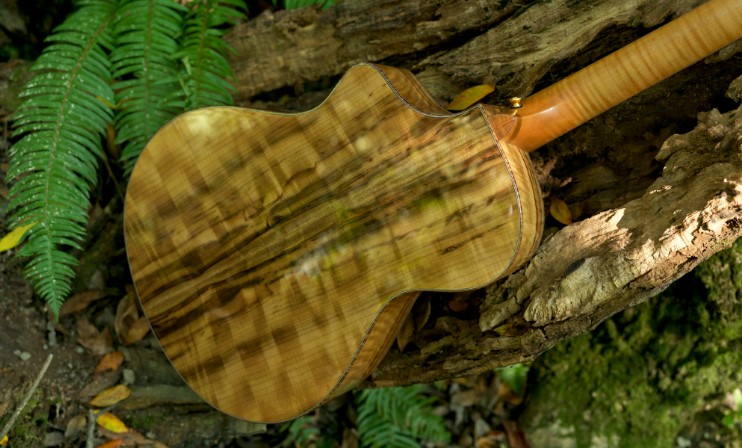
However, koa is native to Hawaii and is considered rarer than maple. This rarity translates to higher prices and more selective availability. On the other hand, maple is more abundant and widely distributed, making it easier for builders to source through reliable guitar wood suppliers. This makes maple a more accessible choice for consistent builds without sacrificing tonal quality.
Selecting the Best Guitar Wood Suppliers
Choosing the right guitar wood suppliers is essential for acquiring high-quality tonewoods. The supplier should offer not only a wide variety of options but also proper grading, customer service, and sustainability practices. Builders often look for suppliers that provide clear photos and detailed specifications for each wood set, ensuring they know exactly what they are purchasing.
Online suppliers have made it easier than ever to access exotic and premium woods like koa and figured maple. These platforms allow customers to view individual sets, examine figure quality, and compare prices, all from the comfort of their homes. However, many luthiers still prefer visiting local suppliers or attending trade shows where they can physically inspect the wood and select pieces that match their exact needs.
For both hobbyist and professional builders, sourcing tonewood from reputed guitar wood suppliers ensures that the materials are properly dried, structurally sound, and ethically harvested. This trust factor cannot be overstated in an industry where wood quality directly affects the final product.
Use Cases of Maple in Guitar Craftsmanship
Maple guitar back and sides are commonly found in archtop guitars, acoustic guitars, and even electric guitars. Its tonal brightness makes it a frequent choice in small-bodied guitars or instruments intended for live performance, where note definition and clarity are critical. In electric guitar construction, maple is often used for tops in combination with other body woods, enhancing both tone and visual appeal.
Violins, mandolins, and cellos also make extensive use of maple due to its tonal properties and strength. This versatility further underscores maple’s reputation as a premium tonewood.
Care and Maintenance for Maple and Koa Woods
Proper care is essential to maintain the beauty and structural integrity of tonewoods like maple and koa. While both are durable, they are sensitive to changes in humidity and temperature. Maple is slightly more forgiving than koa, but both woods benefit from a stable environment with controlled humidity levels.
Using a soundhole humidifier during dry months and storing instruments in a climate-controlled setting can prevent issues like cracking or warping. Occasional cleaning with appropriate polish can preserve the natural luster and prevent residue buildup. Owners of guitars with koa guitar back and sides should be especially cautious during dry seasons, as koa is more prone to environmental stress.
FAQs
What makes maple guitar back and sides a good choice for builders?
Maple is favored for its bright and clear tonal response, durability, and visually appealing grain patterns. These qualities make it a popular option for builders seeking precision and reliability in their instruments.
How do koa guitar back and sides differ in sound from maple?
Koa produces a warm and balanced tone that develops richness over time. While maple offers immediate clarity and projection, koa offers a tonal evolution that appeals to many acoustic players who enjoy a more rounded sound as the wood matures.
Is maple easier to find through guitar wood suppliers?
Yes, maple is widely available and easier to source in consistent quality and quantity. Reputable guitar wood suppliers often have a large stock of figured maple, making it more accessible than the rarer koa.
Can I mix maple with other tonewoods in one guitar?
Yes, many guitars combine maple backs and sides with different top woods such as spruce. This combination enhances projection and brightness, offering a well-rounded sound that suits a variety of musical styles.
Do maple guitars require less maintenance than koa guitars?
Maple is somewhat more stable in changing environments, but both woods require regular care to avoid humidity-related damage. Proper humidification and careful storage are key to maintaining the longevity and tonal integrity of any quality tonewood.
Conclusion
Whether you’re a seasoned luthier or a first-time guitar builder, understanding the nuances of maple guitar back and sides can help you make informed decisions about your instrument’s design and sound. When compared with koa guitar back and sides, maple offers a more immediate and articulate tone, along with a durable and aesthetically pleasing foundation.
Sourcing these woods from trusted guitar wood suppliers ensures you receive quality materials that meet both performance and ethical standards. In the end, choosing between maple and koa comes down to your personal tonal goals and the character you wish your guitar to embody. Each wood brings its voice and story to the instrument, making the building process as rewarding as the playing experience itself.